Affiliate Disclosure: SnoutScout earns commissions from qualifying purchases.Learn more
Back to Articles
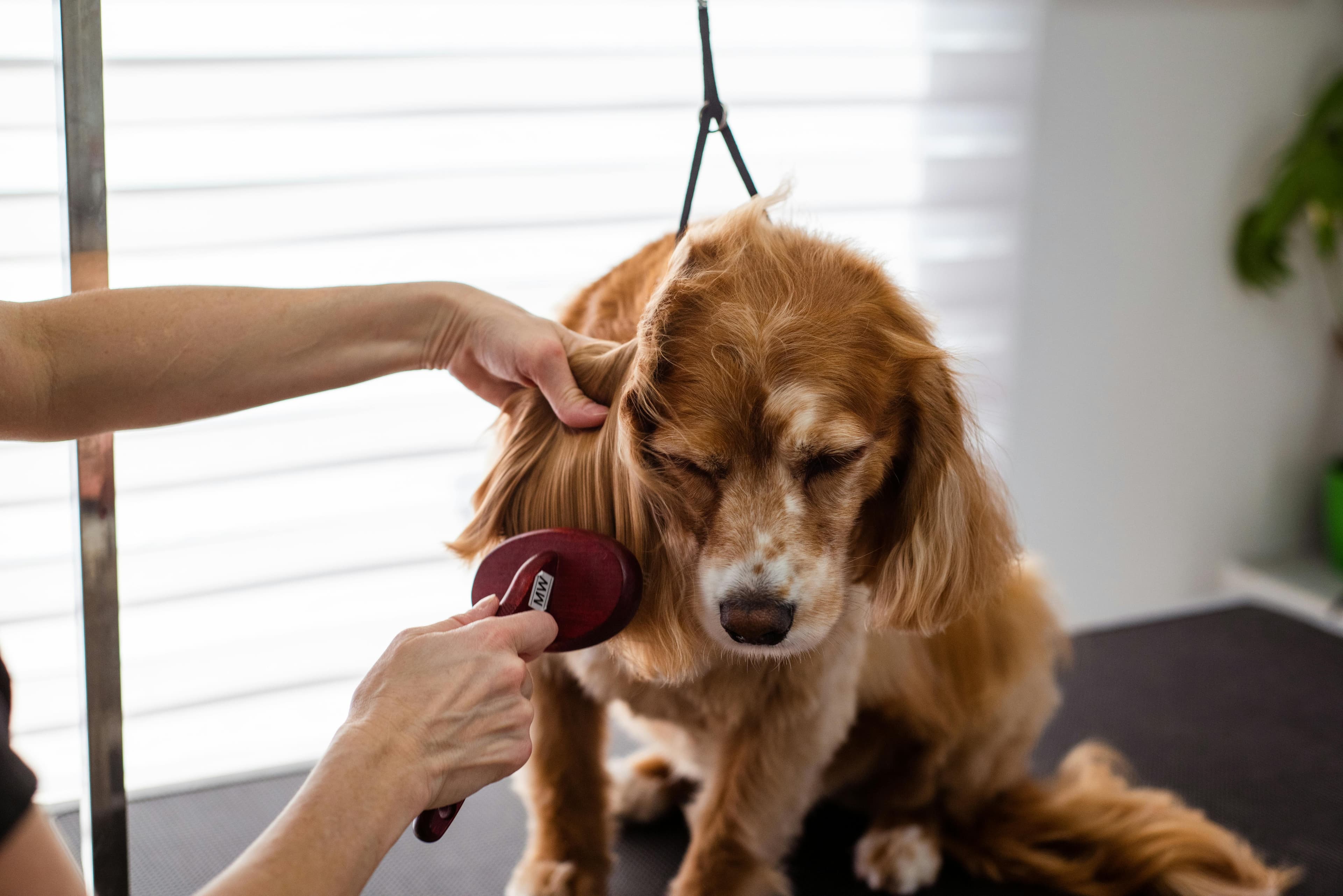
photo of dog grooming
HomeArticlesGrooming
Roundupgrooming

The Best Deshedding Tools for Dogs

Tired of fur tumbleweeds taking over your home? We tested the most effective deshedding tools to help you tackle seasonal shedding and keep your dog's coat healthy.

February 9, 2026403 views

Who this is for

Dog parents who want clear tradeoffs before buying.

Not ideal for

Shoppers looking for one-size-fits-all picks without considering fit, budget, or use case.

How we compared

Ingredient/build quality, day-to-day usability, reliability, and value for your specific need.

On this page

Quick Compare

If you live with a shedding dog, you know the reality: fur on your clothes, fur on your furniture, fur drifting across your floors like tiny tumbleweeds. During peak shedding season—spring and fall for most breeds—it can feel like you're vacuuming constantly yet somehow never making progress. Regular brushing helps, but it often just rearranges the surface coat without actually removing the loose undercoat that's the true source of all that fur. This is where proper deshedding tools make a transformative difference.\n\nDeshedding isn't the same as regular brushing. Standard brushes work through tangles and distribute oils, but they're not designed to reach deep into the undercoat where dead hair accumulates, waiting to shed all over your home. Specialized deshedding tools feature unique tooth designs, blade configurations, or rake structures that penetrate to the undercoat layer and efficiently remove loose fur before it ends up on your couch. Used correctly, a good deshedding tool can reduce shedding by up to 90% during heavy shedding periods—a dramatic difference that makes life with a shedding dog far more manageable.\n\nWe tested leading deshedding tools on dogs with different coat types, from heavy double-coated breeds like Golden Retrievers and German Shepherds to moderate shedders like Beagles and Labs. We evaluated effectiveness at undercoat removal, ease of use during extended grooming sessions, comfort for dogs during the process, and durability under regular use. Whether you're battling seasonal shedding blowouts or managing year-round fur production, this guide will help you find the tool that finally gives you control over the fur situation in your home.

Best Overall

FURminator Undercoat Deshedding Tool for Dogs

by FURminator

The industry-standard deshedding tool with a precision-engineered stainless steel edge that removes up to 90% of loose undercoat, backed by years of proven performance across all coat types.

What we like

  • Stainless steel deShedding edge reaches through topcoat to safely remove loose undercoat
  • Available in multiple sizes and tooth lengths for different breeds and coat types
  • FURejector button releases collected fur with one push for easy cleaning
  • Ergonomic handle designed for extended grooming sessions without hand fatigue

What could improve

  • Premium price point, especially for large dog sizes
  • Requires proper technique to avoid overuse which can thin the coat

Our Full Review

The FURminator has achieved near-legendary status among dog owners who battle serious shedding, and that reputation is well-earned. The tool's defining feature is its precision-engineered stainless steel edge—not quite a blade, not quite a comb—with fine teeth spaced to penetrate through the topcoat and grab loose undercoat fur without cutting or damaging healthy hair. When you run it through your dog's coat, you'll be shocked at the sheer volume of fur it removes, particularly during seasonal shedding when undercoats are transitioning. Many owners report filling entire grocery bags with fur from a single thorough grooming session.\n\nWhat makes the FURminator particularly effective is how it's sized and configured for different coat types. The tool comes in various widths (small, medium, large) and tooth lengths (short, long) to match your dog's size and coat depth. A Golden Retriever with a thick double coat needs the large size with long teeth, while a Beagle does better with medium size and short teeth. This specificity ensures the tool reaches the appropriate depth without scraping skin or missing the undercoat layer entirely. The FURejector button is a genuinely useful feature—press it, and the accumulated fur releases cleanly from the teeth, making it easy to remove and continue working without constantly pulling fur from the tool manually.\n\nThe ergonomic handle design matters more than you might expect. Thorough deshedding takes time—typically 20-30 minutes for a medium to large dog—and handles that cause hand cramping make you less likely to complete the job properly. The FURminator's handle fits naturally in your hand with a comfortable grip that reduces fatigue. Use this tool once or twice weekly during shedding season, and you'll see a dramatic reduction in fur around your home. The key is proper technique: use gentle, brushing strokes in the direction of hair growth, and don't overdo it—15-20 minutes per session is plenty. Overuse can thin the coat, so resist the temptation to keep going just because it keeps removing fur. For serious shedders and their long-suffering owners, the FURminator is often the difference between managing shedding and being overwhelmed by it.


Best Value

Safari De-Shedding Tool

by Safari

An affordable deshedding tool that delivers solid undercoat removal performance at a fraction of premium prices, ideal for budget-conscious owners or first-time buyers.

What we like

  • Stainless steel blade effectively removes loose undercoat at an accessible price point
  • Lightweight design makes it easy to maneuver during grooming sessions
  • Non-slip rubber grip provides good control even when handling wiggly dogs
  • Available in different sizes to accommodate various dog sizes

What could improve

  • Blade edge may dull faster than premium options with heavy use
  • No fur-release mechanism, requiring manual cleaning between strokes

Our Full Review

Not everyone wants to invest $40-50 in a deshedding tool, especially if you're new to dedicated undercoat maintenance or unsure how much you'll actually use it. The Safari De-Shedding Tool delivers the core functionality of premium options at a price point that makes it an easy decision. The stainless steel blade design is similar in concept to the FURminator—fine teeth that penetrate to the undercoat and grab loose fur—and while it may not be quite as refined in its engineering, it's genuinely effective at the fundamental job of removing shed-ready undercoat.\n\nThe lightweight construction is both a feature and a limitation. On the positive side, it's easy to maneuver around your dog's body, and you won't experience arm fatigue during longer grooming sessions. The rubber grip provides adequate control, even when you're working with a dog who'd rather be anywhere else. However, the lighter build does mean the tool may not feel as substantial or durable as premium options, and some users report the blade edge dulling more quickly with very regular use on dense coats. That said, for occasional deshedding or for owners of moderate shedders rather than extreme double-coated breeds, the longevity is perfectly acceptable.\n\nThe lack of a fur-release mechanism means you'll need to manually pull accumulated fur from the teeth every few strokes. This is mildly inconvenient compared to push-button systems, but it's hardly a dealbreaker—it takes just a second to pull the fur away and drop it in your collection bag. This tool shines for owners who are testing the waters with dedicated deshedding tools, for households with multiple dogs where buying several premium tools gets expensive, or simply for budget-conscious dog owners who want effective undercoat removal without premium pricing. You're not sacrificing core functionality, just some convenience features and potentially some longevity. For many owners, that's a very reasonable trade-off.

Best Undercoat Rake

Coastal Pet Safari Undercoat Rake

by Coastal Pet

A dual-row rake design that's specifically effective for extreme double-coated breeds, pulling massive amounts of undercoat during seasonal blowouts without damaging the topcoat.

What we like

  • Dual-row rotating pins penetrate extremely thick undercoats effectively
  • Rounded pin tips prevent skin irritation even with aggressive undercoat removal
  • Particularly effective during seasonal coat blows on heavy shedders
  • Durable metal construction withstands use on the thickest coats

What could improve

  • Can be too aggressive for light or moderate shedders with thinner coats
  • Requires more arm effort than blade-style tools due to rake design

Our Full Review

If you share your home with a Husky, Malamute, German Shepherd, or any other extreme double-coated breed, you know that regular deshedding tools sometimes feel inadequate during the twice-yearly coat blow. When your dog is literally shedding their entire undercoat and you're finding clumps of fur everywhere, you need a tool that can handle the sheer volume of loose fur without requiring hours of work. The Coastal Pet Undercoat Rake is engineered specifically for this scenario, with a dual-row rotating pin design that pulls through dense undercoat more aggressively than blade-style deShedders.\n\nThe rake works differently than tools like the FURminator. Instead of a fine-toothed edge that grabs fur, it uses longer pins arranged in two rows that penetrate deep into the coat and physically pull out loose undercoat as you rake through. The rotating pins reduce friction and pulling, making the process more comfortable for your dog despite the aggressive fur removal. During peak shedding season, you can literally remove grocery bags full of undercoat in a single session—it's almost alarming how much fur comes out, but that's exactly what needs to happen during a coat blow. The rounded pin tips are crucial; they prevent the tool from scratching or irritating skin even when you're working vigorously through thick coat.\n\nThis tool requires more physical effort than blade-style deShedders. You're actively raking through the coat rather than making gentle brush-like strokes, which means more arm work during extended sessions. For owners of extreme shedders, this trade-off is worthwhile because the rake's design handles the volume and density that can overwhelm other tools. Use this tool during heavy shedding periods—spring and fall for most double-coated breeds—and you'll dramatically shorten the duration of the shedding nightmare in your home. It's less necessary during maintenance periods when shedding is moderate, but when your Husky or Shepherd is blowing coat, having this rake on hand transforms a multi-week ordeal into a more manageable few-day process. For light to moderate shedders, this tool is overkill and potentially too aggressive, but for genuine heavy-duty shedding situations, it's invaluable.

Best for Short Coats

Kong ZoomGroom Multi-Use Brush

by Kong

A flexible rubber grooming tool that's gentle enough for short-coated breeds while still effectively loosening and removing dead hair, doubling as a massage tool dogs love.

What we like

  • Soft rubber bristles are safe for short coats and sensitive skin
  • Massaging action most dogs find relaxing and enjoyable
  • Works in both wet and dry conditions—great for bath time deshedding
  • Affordable and long-lasting with no blades or teeth to dull

What could improve

  • Not effective on thick undercoats or heavy double-coated breeds
  • Requires more frequent passes than blade-style tools to achieve results

Our Full Review

Not every shedding dog has a thick double coat that requires aggressive undercoat rakes. Short-coated breeds like Boxers, Pugs, Dalmatians, and Beagles shed plenty—often more than you'd expect from their sleek appearance—but their coat structure doesn't support the use of aggressive deshedding tools designed for undercoat penetration. The Kong ZoomGroom addresses this specific need with a completely different approach: flexible rubber fingers that gently loosen and lift dead hair from short coats without any risk of scratching sensitive skin or damaging the coat.\n\nWhat makes the ZoomGroom particularly successful is that dogs genuinely enjoy the experience. The rubber bristles create a massaging sensation that most dogs find pleasant and relaxing, turning grooming from a tolerated chore into something they actively look forward to. This positive association matters enormously for maintaining consistent grooming habits—when your dog comes running instead of hiding when you pull out the grooming tool, you're far more likely to keep up with regular deshedding. The tool works through circular motions, and you'll see loose hair begin to accumulate on the surface and stick to the rubber. It takes more passes than a blade-style tool would, but the gentle nature means you can work as long as needed without any concern about overgrooming.\n\nThe ZoomGroom's versatility extends beyond dry brushing. The rubber construction means it works beautifully during bath time, helping to loosen dead hair while you're shampooing. Many owners find that using it in the bath, when hair is wet and more easily released, then following up with dry grooming after towel-drying, creates a one-two punch that significantly reduces shedding for short-coated breeds. The tool is nearly indestructible—there are no blades to dull, no teeth to bend—and at its modest price point, it's an easy addition to any grooming toolkit. While it won't replace an undercoat rake for a Husky, for short-coated moderate shedders, it's often the perfect solution that balances effectiveness with comfort and affordability.

Premium Pick

Chris Christensen Long Pin Slicker Brush

by Chris Christensen

A professional-grade slicker brush with extra-long pins that excels at undercoat removal on thick, long coats while maintaining coat quality and preventing damage.

What we like

  • Extra-long flexible pins reach deep into dense coats for thorough undercoat removal
  • Gentle enough for daily use without thinning or damaging the coat structure
  • Premium construction ensures longevity even with heavy professional-level use
  • Ergonomic wooden handle reduces hand fatigue during extended sessions

What could improve

  • Significantly more expensive than specialized deshedding tools
  • Requires proper line-brushing technique to maximize effectiveness
  • Can require multiple passes on heavily haired areas

Our Full Review

While most deshedding tools focus purely on undercoat removal efficiency, the Chris Christensen Long Pin Slicker takes a more holistic approach—removing loose undercoat effectively while simultaneously maintaining coat health, preventing tangles, and creating that polished, well-groomed appearance. This is the tool professional groomers reach for when working with long-coated breeds like Golden Retrievers, Australian Shepherds, and Collies who shed heavily but also need their coats maintained in show-quality condition. The extra-long pins—nearly an inch in length—can penetrate deep into thick coats to reach the undercoat layer where shedding originates.\n\nWhat distinguishes this slicker from blade-style deShedders is its gentleness and versatility. The flexible pins bend slightly as they pass through the coat, providing the give needed to work through tangles and remove loose undercoat without the harsh pulling or potential coat thinning that can occur with overuse of blade tools. You can use this brush daily during shedding season without concerns about damaging the coat, whereas most deshedding tools should be used more sparingly. The cushioned pin bed provides additional flexibility, creating a comfortable experience for your dog while still being effective at grabbing and removing loose hair.\n\nThe premium pricing reflects both the superior construction and the tool's dual functionality. This isn't just a deshedding tool—it's also your primary maintenance brush for coat health and tangle prevention. For owners of long-coated shedding breeds who want to maintain their dog's coat in beautiful condition while managing shedding, this approach often makes more sense than using an aggressive deshedding tool that prioritizes fur removal above all else. The Chris Christensen slicker requires learning proper line-brushing technique—working in small sections from skin to tip—to maximize its effectiveness, but once mastered, it provides comprehensive coat care that addresses shedding, tangles, and coat health simultaneously. It's an investment in long-term coat maintenance rather than just a shedding solution.

Buying Guide

Choosing the right deshedding tool starts with understanding your dog's coat type, as different coat structures require fundamentally different approaches. Double-coated breeds—dogs with a dense, soft undercoat beneath a longer topcoat like Huskies, Golden Retrievers, German Shepherds, and Collies—need tools that can penetrate to that undercoat layer where shedding originates. These dogs benefit from blade-style deShedders or undercoat rakes with sufficient tooth length to reach through the topcoat. Single-coated breeds with short hair like Boxers, Beagles, and Pugs have no distinct undercoat, so they need gentler tools that remove dead surface hair without irritating skin.\n\nConsider the intensity of your dog's shedding when selecting tools. Heavy seasonal shedders going through coat blows twice a year need aggressive tools that can handle massive volumes of loose fur efficiently—undercoat rakes and blade deShedders designed for deep penetration. Moderate year-round shedders do better with less aggressive tools used more frequently, while light shedders need only gentle rubber curry brushes or soft slickers. Match the tool's intensity to your dog's shedding reality; using a tool that's too aggressive on a light shedder can damage their coat, while using a too-gentle tool on a heavy shedder leaves you frustrated and ineffective.\n\nPay attention to sizing and tooth/blade length specifications. Most deshedding tools come in multiple sizes (small, medium, large) and tooth lengths (short hair, long hair). These aren't arbitrary categories—they directly affect how well the tool works for your specific dog. A small tool on a large dog means extended grooming time and incomplete coverage, while a large tool on a small dog becomes unwieldy and difficult to maneuver. Tooth length should match your dog's coat depth: short teeth for short coats (under 2 inches), long teeth for long coats (over 2 inches). Using short teeth on a long, dense coat means you're only reaching the surface, missing the undercoat entirely.\n\nErgonomics matter significantly for tools you'll use regularly. Deshedding isn't a quick task—thorough sessions typically take 15-30 minutes depending on your dog's size and coat density. Handles that cause hand cramping or require awkward grip angles make you less likely to complete the job properly or maintain consistent grooming schedules. Look for handles with comfortable grips, appropriate weight distribution, and designs that fit your hand naturally. Features like fur-release buttons aren't essential but genuinely improve the experience by making cleanup faster and keeping your momentum during grooming sessions. Finally, consider how easy the tool is to clean—fur accumulation between teeth or on blades should be simple to remove, or you'll spend as much time maintaining your tool as using it.

Frequently Asked Questions

How often should I use a deshedding tool on my dog?

Frequency depends on your dog's coat type and shedding intensity. During peak shedding season (spring and fall for most breeds), use deshedding tools 2-3 times per week on heavy shedders. For year-round moderate shedding, once per week typically suffices. Avoid overuse—daily aggressive deshedding can thin the coat and damage healthy hair. Gentle tools like rubber curry brushes can be used daily, but blade-style deShedders should be used more sparingly. Always stop when you're no longer removing significant amounts of fur.

Can deshedding tools damage my dog's coat?

When used correctly, quality deshedding tools safely remove loose undercoat without damaging healthy hair. However, improper use can cause problems: pressing too hard can scrape skin, overuse can thin the topcoat, and using the wrong tool type for your dog's coat can cause breakage. Use gentle pressure with brushing strokes in the direction of hair growth, limit sessions to 15-20 minutes, and choose tools appropriate for your dog's specific coat type. If you notice bald spots, irritation, or significant coat thinning, you're either using the tool too aggressively or too frequently.

What's the difference between a deshedding tool and a regular brush?

Regular brushes work primarily on the topcoat to detangle, distribute oils, and remove surface debris. Deshedding tools are specifically designed to reach through the topcoat to the undercoat layer, where they grab and remove loose, dead undercoat hair before it sheds naturally. The tooth or blade design on deshedding tools allows them to penetrate deeper and grab loose fur more effectively than standard brush bristles. Think of regular brushes as maintenance and styling tools, while deshedding tools are specialized undercoat removal systems. Most dogs benefit from both—regular brushing for coat health and deshedding tools for shedding management.

Why is my dog still shedding after I use a deshedding tool?

Deshedding tools dramatically reduce shedding but don't eliminate it entirely—dogs naturally shed as part of their hair growth cycle. If you're still seeing significant shedding after thorough deshedding sessions, consider: 1) You may not be reaching the undercoat layer—ensure you're using appropriate tooth length for your dog's coat depth. 2) Shedding may be excessive due to diet, stress, or health issues—consult your vet if shedding seems abnormal. 3) Some areas may be missed—legs, chest, and belly often need extra attention. 4) Seasonal coat changes take several weeks to complete—continue regular deshedding throughout this period.

Are deshedding tools safe for puppies?

Puppies under 6 months typically don't need aggressive deshedding tools as they haven't developed their adult coat yet. Their puppy coat is softer and doesn't have the dense undercoat structure that benefits from deshedding tools. Use gentle rubber curry brushes or soft slicker brushes to accustom them to grooming. Once their adult coat begins coming in (6-12 months depending on breed), you can gradually introduce appropriate deshedding tools with extra gentleness. Always supervise and stop if your puppy shows signs of discomfort.

Final Thoughts

Living with a shedding dog doesn't have to mean constantly battling fur-covered furniture and clothes. The right deshedding tool, used consistently and correctly, can reduce household fur by up to 90% during peak shedding seasons—a transformation that dramatically improves quality of life for both you and your dog. The tools we've featured address different shedding scenarios, from extreme double-coat blowouts to moderate year-round shedding, ensuring there's an effective solution regardless of your dog's coat type.\n\nRemember that effective shedding management is about consistency rather than intensity. A moderately effective tool used twice weekly will always outperform the world's best deshedding tool used sporadically. Start with the tool that matches your dog's coat type and shedding intensity, learn proper technique to maximize effectiveness while keeping your dog comfortable, and establish a regular grooming schedule. With the right approach, you'll find that managing shedding becomes a manageable routine rather than an overwhelming battle—and those fur tumbleweeds drifting across your floor will become a thing of the past.

Share this roundup

Help another pet parent compare options faster.

Share:

Related Articles